
Meaning:
A rhetorical expression used to strongly assert that something is exactly what you’re describing. Emphasizes that there’s no other way to describe or categorize something.
Grammar Point:
This pattern is a rhetorical question used to strongly emphasize that something clearly fits a particular description or category. It implies “if this isn’t [X], then what else could it be?” The speaker is making a strong assertion that their characterization is obviously correct and undeniable.
Formation:
Noun + でなくてなんだろう/なんでしょう
Noun/な-adjective + でなくてなんだろう/なんでしょう
日本語:
(1) 自分の失敗を認めて謝ることは、正直でなくてなんだろう / なんでしょう。
(2) 約束の時間を守らないことは、失礼でなくてなんだろう / なんでしょう。
(3) 友達の秘密を他の人に話すことは、裏切りでなくてなんだろう / なんでしょう。
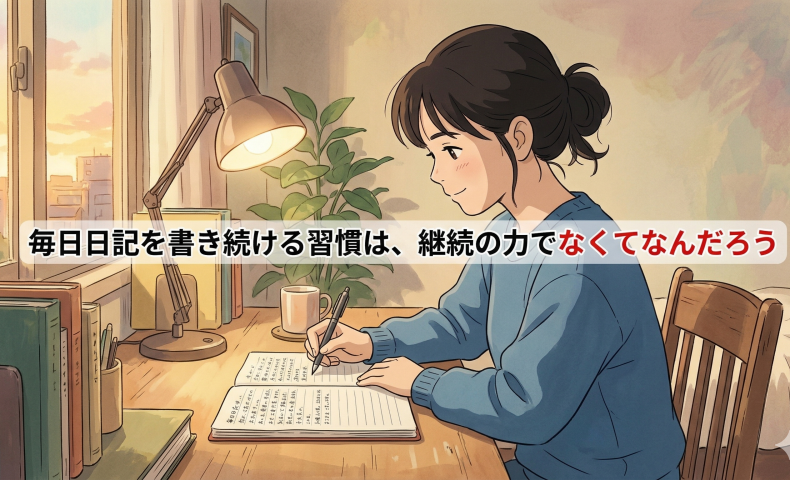
(4) 毎日日記を書き続ける習慣は、継続の力でなくてなんだろう / なんでしょう。
(5) 毎朝早く起きてジョギングする習慣は、健康的でなくてなんだろう / なんでしょう。
(6) 会社が社員の給料を上げずに仕事を増やすのは、不公平でなくてなんだろう / なんでしょう。
ことばと表現:
失敗【しっぱい ̄ /Shippai/】failure; mistake
認める【みと ̄める /Mitomeru/】to admit; to acknowledge
謝る【あやま ̄る /Ayamaru/】to apologize
正直【しょうじき ̄ /Shōjiki/】honest; honesty
約束【やくそく ̄ /Yakusoku/】promise; appointment
守る【まも ̄る /Mamoru/】to keep; to protect
失礼【しつれい ̄ /Shitsurei/】rude; impolite
秘密【ひみつ ̄ /Himitsu/】secret
他【ほか\ /Hoka/】other
裏切り【うらぎ ̄り /Uragiri/】betrayal
日記【にっき ̄ /Nikki/】diary
継続【けいぞく ̄ /Keizoku/】continuation
健康的【けんこうてき ̄ /Kenkōteki/】healthy
給料【きゅうりょう ̄ /Kyūryō/】salary
不公平【ふこうへい ̄ /Fukōhei/】unfair; unjust
英語:
(1) Admitting your own mistakes and apologizing—if that’s not honesty, then what is it?
(2) Not keeping your appointment time—if that’s not rude, then what is it?
(3) Telling others your friend’s secrets—if that’s not betrayal, then what is it?
(4) The habit of continuing to write in a diary every day—if that’s not the power of persistence, then what is it?
(5) The habit of waking up early every morning to jog—if that’s not healthy, then what is it?
(6) A company increasing work without raising employees’ salaries—if that’s not unfair, then what is it?
ひらがな:
(1) じぶんのしっぱいをみとめてあやまることは、しょうじきでなくてなんだろう / なんでしょう。
(2) やくそくのじかんをまもらないことは、しつれいでなくてなんだろう / なんでしょう。
(3) ともだちのひみつをほかのひとにはなすことは、うらぎりでなくてなんだろう / なんでしょう。
(4) まいにちにっきをかきつづけるしゅうかんは、けいぞくのちからでなくてなんだろう / なんでしょう。
(5) まいあさはやくおきてじょぎんぐするしゅうかんは、けんこうてきでなくてなんだろう / なんでしょう。
(6) かいしゃがしゃいんのきゅうりょうをあげずにしごとをふやすのは、ふこうへいでなくてなんだろう / なんでしょう。
ローマ字:
(1) Jibun no shippai wo mitomete ayamaru koto wa, shōjiki de nakute nan darō / Nan deshō.
(2) Yakusoku no jikan wo mamoranai koto wa, shitsurei de nakute nan darō / Nan deshō.
(3) Tomodachi no himitsu wo hoka no hito ni hanasu koto wa, uragiri de nakute nan darō / Nan deshō.
(4) Mainichi nikki wo kakitsuzukeru shūkan wa, keizoku no chikara de nakute nan darō / Nan deshō.
(5) Maiasa hayaku okite jogingu suru shūkan wa, kenkōteki de nakute nan darō / Nan deshō.
(6) Kaisha ga shain no kyūryō wo agezu ni shigoto wo fuyasu no wa, fukōhei de nakute nan darō / Nan deshō.



No comments yet.