
Meaning
Only by doing ~, It is only when ~, Only through ~
(A certain result or understanding is achieved only by doing something)
Grammar Point
「てこそ」is used to express that a certain result, understanding, or value
can only be achieved through a specific experience or action. It emphasizes
that the preceding action is the essential condition for the outcome that
follows. It often carries a nuance of personal discovery or conviction, and
is commonly used in formal speech and writing.
Formation:
Verb-てform + こそ
日本語 / にほんご / Japanese
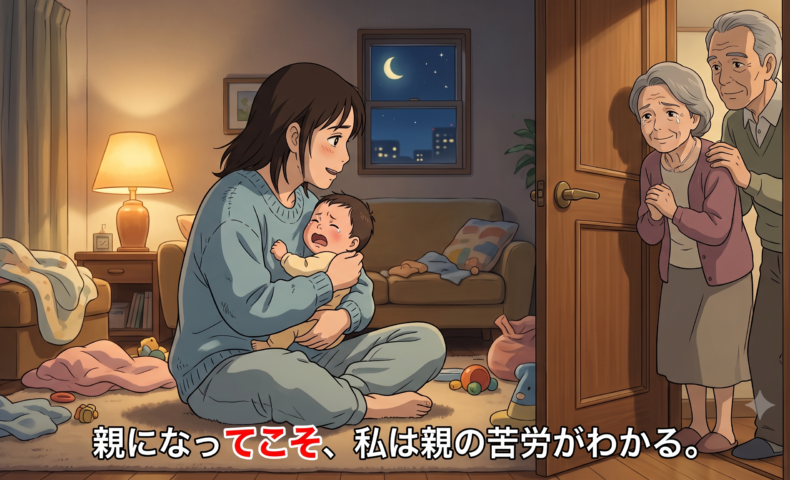
(1) 親になってこそ、私は親の苦労がわかる / わかります。
(2) 教師になってこそ、私たちは教育者の視点がわかる / わかります。
(3) スポーツは自分でやってこそ、おもしろさがわかるだろう / わかるでしょう。
(4) 日本へ行ってこそ、あなたは日本の習慣を理解できるだろう / 理解できるでしょう。
(5) お互いに率直に話し合ってこそ、私たちは相互理解に到達するだろう / 到達するでしょう。
(6) 長年の厳しい修業を経験してこそ、あなたはその技術を習得するだろう / 習得するでしょう。
ことばと表現 / Words & Expressions
苦労【くろう\ /Kurō/】hardship, trouble, toil
教育者【きょういくしゃ\ /Kyōikusha/】educator
視点【してん\ /Shiten/】point of view, perspective
おもしろさ【おもしろさ ̄ /Omoshirosa/】interest, fun, appeal
習慣【しゅうかん\ /Shūkan/】custom, habit
率直に【そっちょくに ̄ /Socchoku ni/】frankly, honestly
相互理解【そうごりかい ̄ /Sōgo rikai/】mutual understanding
到達する【とうたつする ̄ /Tōtatsu suru/】to reach, to attain
長年【ながねん\ /Naganen/】many years, long years
修業【しゅぎょう\ /Shugyō/】training, discipline
技術【ぎじゅつ\ /Gijutsu/】skill, technique
習得する【しゅうとくする ̄ /Shūtoku suru/】to master, to acquire
英語 / えいご / English
(1) Only by becoming a parent can I understand the hardships of being one.
(2) Only by becoming a teacher can we understand the perspective of an educator.
(3) It is only by playing sports yourself that you can understand the appeal of it.
(4) Only by going to Japan will you be able to understand Japanese customs.
(5) Only by speaking frankly with each other will we be able to reach mutual understanding.
(6) Only through years of rigorous training will you be able to master the skill.
ひらがな / Hiragana
(1) おやになってこそ、わたしは おやの くろうが わかる / わかります。
(2) きょうしになってこそ、わたしたちは きょういくしゃの してんが わかる / わかります。
(3) スポーツは じぶんで やってこそ、おもしろさが わかるだろう / わかるでしょう。
(4) にほんへ いってこそ、あなたは にほんの しゅうかんを りかいできる だろう / りかいできる でしょう。
(5) おたがいに そっちょくに はなしあってこそ、わたしたちは そうごりかいに とうたつ するだろう / とうたつ するでしょう。
(6) ながねんの きびしい しゅぎょうを けいけんしてこそ、あなたは そのぎじゅつを しゅうとく するだろう / しゅうとく するでしょう。
ローマ字 / Roman letters
(1) Oya ni natte koso, watashi wa oya no kurō ga wakaru / wakarimasu.
(2) Kyōshi ni natte koso, watashitachi wa kyōikusha no shiten ga wakaru / wakarimasu.
(3) Supōtsu wa jibun de yatte koso, omoshirosa ga wakaru darō / wakaru deshō.
(4) Nihon e itte koso, anata wa Nihon no shūkan o rikai dekiru darō / rikai dekiru deshō.
(5) Otagai ni socchoku ni hanashiatte koso, watashitachi wa sōgo rikai ni tōtatsu suru darō / tōtatsu suru deshō.
(6) Naganen no kibishii shugyō o keiken shite koso, anata wa sono gijutsu o shūtoku suru darō / shūtoku suru deshō.







No comments yet.