

Meaning:
Used to indicate a group, place, or category within which something happens or is chosen.
Means “in,” “among,” or “within.”
Grammar Point:
「〜の中で」 attaches to nouns to show:
– a location where an action happens
– a group/category used for comparison or selection
Formation:
Noun + の中で + Action/Description
日本語 / にほんご / Japanese
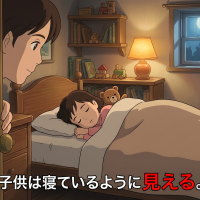
(1) 子供は船の中で寝た / 寝ました。
(2) 私は車の中で目を閉じた / 閉じました。
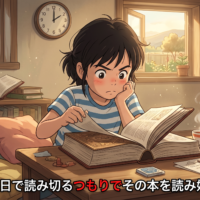
(3) 私は電車の中で本を読む / 読みます。
(4) 科目の中で数学が一番難しい / 難しいです。
(5) スポーツの中でサッカーが人気だ / 人気です。
(6) 動物の中で馬が好きだ / 好きです。
ことばと表現 / Words & Expressions
船【ふね ̄ /Fune/】 ship, boat
閉じる【とじ\る /Tojiru/】 to close
科目【かもく ̄ /Kamoku/】 subject
数学【すうがく ̄ /Sūgaku/】 mathematics
人気【にんき ̄ /Ninki/】 popular, popularity
馬【うま\ /Uma/】 horse
英語 / えいご / English
(1) The child slept inside the boat.
(2) I closed my eyes in the car.
(3) I read a book on the train.
(4) Among the subjects, math is the most difficult.
(5) Among sports, soccer is the most popular.
(6) Among animals, I like horses.
ひらがな / Hiragana
(1) こどもはふねのなかでねた / ねました。
(2) わたしはくるまのなかでめをとじた / とじました。
(3) わたしはでんしゃのなかでほんをよむ / よみます。
(4) かもくのなかですうがくがいちばんむずかしい / むずかしいです。
(5) すぽーつのなかでさっかーがにんきだ / にんきです。
(6) どうぶつのなかでうまがすきだ / すきです。
ローマ字 / Roman characters
(1) Kodomo wa fune no naka de neta / nemashita.
(2) Watashi wa kuruma no naka de me o tojita / tojimashita.
(3) Watashi wa densha no naka de hon o yomu / yomimasu.
(4) Kamoku no naka de sūgaku ga ichiban muzukashii / muzukashii desu.
(5) Supōtsu no naka de sakkā ga ninki da / ninki desu.
(6) Dōbutsu no naka de uma ga suki da / suki desu.






















No comments yet.