
Meaning
In terms of ~, From the standpoint of ~, For ~ reasons
Grammar Point
Attached to nouns to indicate a field, standpoint, or perspective from which
something is considered. Commonly used in formal and written Japanese.
Formation
Noun + 上(じょう)
日本語 / にほんご / Japanese
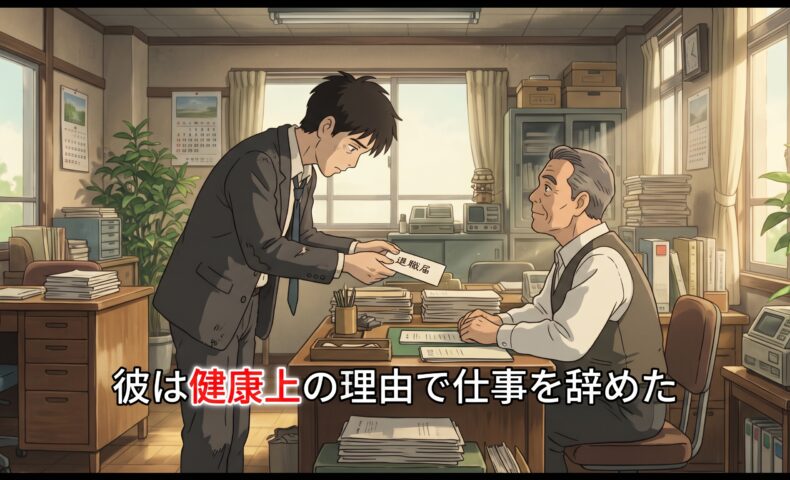
(1) 彼は健康上の理由で仕事を辞めた / 辞めました。
(2) 彼女は運営上の責任者だった / 責任者でした。
(3) 彼らは政治上の問題を議論するのが好きだった / 好きでした。
(4) 歴史上、最も偉大な人物は誰だろう / 誰でしょう。
(5) この本は教育上、よくない本だ / よくない本です。
(6) 他人の住所の公表は法律上、認められていない / 認められていません。
ことばと表現 / Words & Expressions
健康上【けんこうじょう\ /Kenkōjō/】in terms of health
理由【りゆう\ /Riyū/】reason, cause
辞める【やめる\ /Yameru/】to quit, to resign
運営上【うんえいじょう\ /Un’eijō/】in terms of management
責任者【せきにんしゃ\ /Sekininsha/】person in charge, responsible person
政治上【せいじじょう\ /Seijijō/】in terms of politics
議論する【ぎろんする ̄ /Giron suru/】to discuss, to debate
歴史上【れきしじょう\ /Rekishijō/】in history, historically
偉大な【いだいな\ /Idai na/】great, outstanding
教育上【きょういくじょう\ /Kyōikujō/】for educational reasons
住所【じゅうしょ\ /Jūsho/】address
公表する【こうひょうする ̄ /Kōhyō suru/】to publish, to make public
法律上【ほうりつじょう\ /Hōritsujō/】legally, from a legal standpoint
認める【みとめる\ /Mitomeru/】to approve, to recognize, to permit
英語 / えいご / English
(1) He quit his job for health reasons.
(2) She was the person in charge of management.
(3) They liked to discuss political issues.
(4) Who is the greatest person in history?
(5) This book is not good from an educational standpoint.
(6) Publishing someone else’s address without consent is not permitted by law.
ひらがな / Hiragana
(1) かれはけんこうじょうのりゆうでしごとをやめた / やめました。
(2) かのじょはうんえいじょうのせきにんしゃだった / せきにんしゃでした。
(3) かれらはせいじじょうのもんだいをぎろんするのがすきだった / すきでした。
(4) れきしじょう、もっともいだいなじんぶつはだれだろう / だれでしょう。
(5) このほんはきょういくじょう、よくないほんだ / よくないほんです。
(6) たにんのじゅうしょのこうひょうはほうりつじょう、みとめられていない / みとめられていません。
ローマ字 / Roman characters
(1) Kare wa kenkōjō no riyū de shigoto o yameta / yamemashita.
(2) Kanojo wa un’eijō no sekininsha datta / sekininsha deshita.
(3) Karera wa seijijō no mondai o giron suru no ga suki datta / suki deshita.
(4) Rekishijō, mottomo idai na jinbutsu wa dare darō / dare deshō.
(5) Kono hon wa kyōikujō, yokunai hon da / yokunai hon desu.
(6) Tanin no jūsho no kōhyō wa hōritsujō, mitomerarete inai / mitomerarete imasen.













No comments yet.