
Meaning:
The Japanese passive form expresses that something happens *to* the subject.
It has several uses, some of which do not exist in English.
Types of Passive:
1. Suffering Passive
Something bad or inconvenient happens to the speaker.
→ “My clothes were bitten by a dog.”
(Shows trouble or unwanted results.)
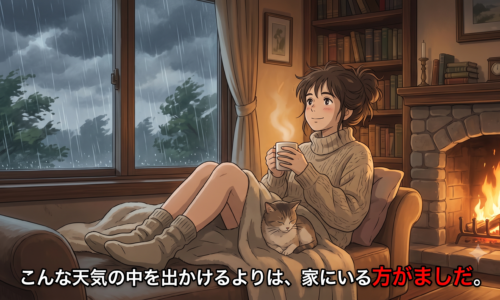
2. Natural Passive
Used when the subject experiences a natural event.
→ “I was caught in the rain.”
(No person caused it.)
3. Passive with an Agent (〜によって)
Used to clearly state who performed the action.
Similar to English “by ~”.
→ “The building was designed by an architect.”
4. General Passive
Used for general truths or common facts.
→ “English is spoken in Australia.”
Grammar Point:
Japanese passive forms follow three main patterns.
1. U‑verbs (五段動詞) → change final **u‑sound** to **a‑sound** + れる
噛む(かむ / bite)→ 噛まれる(かまれる / be bitten)
盗む(ぬすむ / steal)→ 盗まれる(ぬすまれる / be stolen)
待つ(まつ / wait)→ 待たされる(またされる / be kept waiting)※special form
2. Ru‑verbs (一段動詞) → add られる
見る(みる / see)→ 見られる(みられる / be seen)
食べる(たべる / eat)→ 食べられる(たべられる / be eaten)
3. Irregular verbs
設計する(せっけいする / design)→ 設計される(せっけいされる / be designed)
歌う(うたう / sing)→ 歌われる(うたわれる / be sung)
売る(うる / sell)→ 売られる(うられる / be sold)
Formation:
Noun + に + Passive verb
Noun + によって + Passive verb
日本語 / にほんご / Japanese
(1) 私は犬に服を噛まれた / 噛まれました。
(2) 友達はお金を盗まれた / 盗まれました。
(3) 私は家族に待たされた / 待たされました。
(4) 私は雨に降られた / 降られました。
(5) あの建物は建築家によって設計された / 設計されました。
(6) その歌は有名な歌手によって歌われた / 歌われました。
(7) オーストラリアで英語が話される / 話されます。
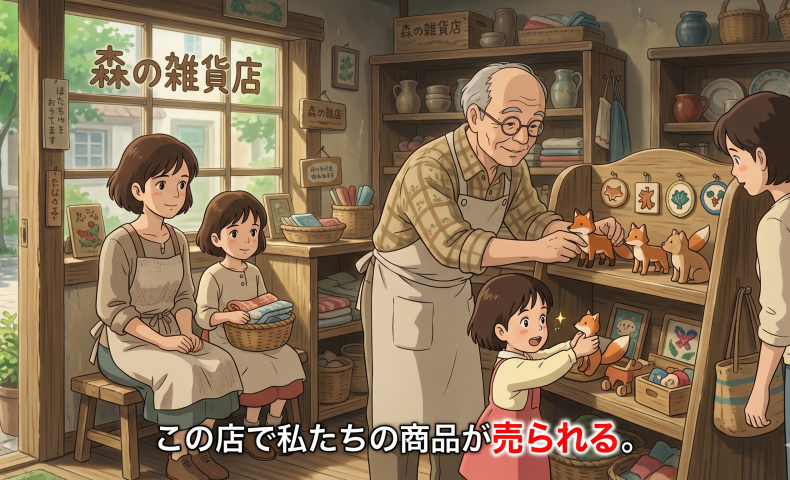
(8) この店で私たちの商品が売られる / 売られます。
ことばと表現 / Words & Expressions
噛む【かむ ̄ /Kamu/】 to bite, to chew
盗む【ぬすむ ̄ /Nusumu/】 to steal
建築家【けんちくか ̄ /Kenchikuka/】 architect
設計【せっけい ̄ /Sekkei/】 design, planning
有名【ゆうめい ̄ /Yūmei/】 famous
歌手【かしゅ ̄ /Kashu/】 singer
商品【しょうひん ̄ /Shōhin/】 product, merchandise
英語 / えいご / English
(1) My clothes were bitten by a dog.
(2) My friend had their money stolen.
(3) I was kept waiting by my family.
(4) I was caught in the rain.
(5) That building was designed by an architect.
(6) That song was sung by a famous singer.
(7) English is spoken in Australia.
(8) Our products are sold at this store.
ひらがな / Hiragana
(1) わたしはいぬにふくをかまれた / かまれました。
(2) ともだちはおかねをぬすまれた / ぬすまれました。
(3) わたしはかぞくにまたされた / またされました。
(4) わたしはあめにふられた / ふられました。
(5) あのたてものはけんちくかによってせっけいされた / せっけいされました。
(6) そのうたはゆうめいなかしゅによってうたわれた / うたわれました。
(7) おーすとらりあでえいごがはなされる / はなされます。
(8) このみせでわたしたちのしょうひんがうられる / うられます。
ローマ字 / Roman characters
(1) Watashi wa inu ni fuku o kamareta / kamaremashita.
(2) Tomodachi wa okane o nusumareta / nusumaremashita.
(3) Watashi wa kazoku ni matasareta / matasaremashita.
(4) Watashi wa ame ni furareta / furaremashita.
(5) Ano tatemono wa kenchikuka ni yotte sekkei sareta / sekkei saremashita.
(6) Sono uta wa yūmei na kashu ni yotte utawareta / utaware mashita.
(7) Ōsutoraria de eigo ga hanasareru / hanasaremasu.
(8) Kono mise de watashitachi no shōhin ga urareru / uraremasu.



No comments yet.