
日本語の条件表現は、主に 〜たら/〜と/〜ば/〜なら の4つが中心です。英語ではどれも if / when と訳されがちですが、**使いどころ(ニュアンス)**が違います。
Japanese conditionals are mainly -tara / -to / -ba / -nara. They can all translate as if/when, but they differ in nuance and usage.
Contents
使い分け早見(JP / EN)Quick Reference Guide for Usage
〜たら:万能。依頼・誘いもOK。
-tara: most versatile; OK with requests/invitations.
〜と:ルール/必ず起こる自動結果。
-to: rules/automatic results; “whenever X, Y.”
〜ば:条件達成に焦点、やや論理的。
-ba: condition-focused; more logical/formal “if.”
〜なら:「それなら」の前提受け、助言に強い。
-nara: “if that’s the case”; good for advice.
1) 〜たら(tara)
説明(日本語)
「もし〜なら」(仮定)と 「〜したら(その後)」(順序)の両方を表せる、いちばん万能な条件です。
後ろの文に 依頼・命令・誘い(〜てください/〜よう/〜ましょう)が来ても自然です。
Explanation (English)
-tara is the most flexible conditional: it can mean “if” (hypothesis) and also “when/after” (sequence).
It works well with requests, commands, and invitations (please…, let’s…, etc.).
例文(JP / EN)
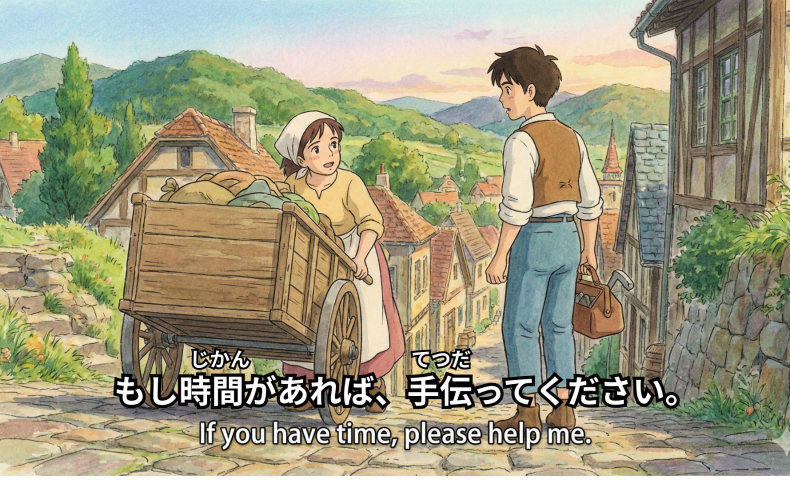
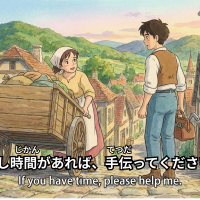
時間(じかん)があったら、手伝(てつだ)ってください。
If you have time, please help me.
家(いえ)に帰(かえ)ったら、連絡(れんらく)します。
When I get home, I’ll contact you.
2) 〜と(to)
「〜すると、いつも/必ず…」 という、自然な結果・ルール・機械の動作を表す条件です。
「もし」というより 自動的にそうなる感じが強いです。
後ろの文に 意志・命令・依頼(〜たい/〜てください/〜よう)は基本的に置きにくいです。Explanation (English)
-to expresses an automatic / always-true result: natural consequences, rules, or machine operations.
It feels more like “when X happens, Y inevitably happens” than a hypothetical “if.”
The result clause usually cannot contain volition/requests/commands.
例文(JP / EN)
このボタンを押(お)すと、ドアが開(あ)きます。
When you press this button, the door opens.
春(はる)になると、桜(さくら)が咲(さ)きます。
When spring comes, cherry blossoms bloom.
3) 〜ば(eba)
「もし〜なら/〜すれば」 のように、条件を満たす→結果 という関係をはっきり言う形です。
一般的な法則や論理的な説明にもよく使われます。
後ろの文に 依頼・命令・誘いは、文脈によって不自然になりやすいので、迷ったら依頼は 〜たらが無難です。
Explanation (English)
-ba highlights a clear condition → result relationship (“if/provided that”).
It’s common in logical explanations and general statements.
Requests/commands/invitations in the result clause can sound unnatural depending on context; for requests, -tara is often safer.
例文(JP / EN)
安(やす)ければ、買(か)います。
If it’s cheap, I’ll buy it.
雨(あめ)が降(ふ)れば、試合(しあい)は中止(ちゅうし)です。
If it rains, the game will be canceled.
4) 〜なら(nara)
「〜なら(その話なら/その条件なら)」 のように、相手の発言や状況を受けて 「それなら…」 と言うときに強い条件です。
助言・提案(〜がいいよ/〜したら?)と相性がよいです。
Explanation (English)
-nara is used when responding to a given topic/situation: “if that’s the case / if you’re talking about…”
It pairs well with advice and suggestions (“You should… / It’s better to…”).
例文(JP / EN)
東京(とうきょう)に行(い)くなら、この店(みせ)がいいよ。
If you’re going to Tokyo, this shop is good.
車(くるま)なら、30分(ぷん)で行(い)けます。
If (we go) by car, we can get there in 30 minutes.














No comments yet.